The Importance of Sustainable Living in Today's World

Sustainable living is no longer just a trend; it has become a necessity. As we face unprecedented environmental challenges, the way we live, consume, and interact with our planet is under scrutiny. This blog post will explore the significance of sustainable living, practical steps to adopt it, and the positive impact it can have on our lives and the environment.
Understanding Sustainable Living
Sustainable living refers to a lifestyle that aims to reduce an individual's or society's use of the Earth's natural resources. It encompasses various practices that promote environmental health, social equity, and economic viability. The goal is to create a balance that allows for the needs of the present to be met without compromising the ability of future generations to meet their own needs.
Why Sustainable Living Matters
Environmental Protection
Sustainable living helps to protect our ecosystems. By reducing waste, conserving energy, and choosing sustainable products, we can minimize our carbon footprint and preserve biodiversity.
Resource Conservation
Our planet's resources are finite. Sustainable practices encourage the responsible use of resources, ensuring that we do not deplete them for future generations.
Economic Benefits
Sustainable living can lead to cost savings. By reducing energy consumption and waste, individuals and families can save money on utility bills and other expenses.
Health and Well-being
A sustainable lifestyle often promotes healthier choices, such as consuming organic foods, reducing pollution, and engaging in outdoor activities. This can lead to improved physical and mental health.
Social Responsibility
Sustainable living fosters a sense of community and social responsibility. By supporting local businesses and fair trade practices, we contribute to a more equitable society.

Practical Steps to Adopt Sustainable Living
Transitioning to a sustainable lifestyle may seem daunting, but it can be achieved through small, manageable changes. Here are some practical steps you can take:
1. Reduce, Reuse, Recycle
Reduce: Cut down on single-use items. Opt for reusable bags, bottles, and containers.
Reuse: Find new uses for items instead of throwing them away. For example, glass jars can be repurposed for storage.
Recycle: Familiarize yourself with your local recycling guidelines and ensure you are recycling correctly.
2. Conserve Energy
Switch to LED Bulbs: They use significantly less energy and last longer than traditional bulbs.
Unplug Devices: Many electronics consume energy even when turned off. Unplugging them can save energy.
Use Energy-Efficient Appliances: Look for appliances with the ENERGY STAR label.
3. Choose Sustainable Transportation
Walk or Bike: For short distances, consider walking or biking instead of driving.
Public Transport: Use buses or trains to reduce your carbon footprint.
Carpool: Share rides with others to decrease the number of vehicles on the road.
4. Support Local and Sustainable Products
Buy Local: Purchasing from local farmers and artisans supports the local economy and reduces transportation emissions.
Choose Organic: Organic farming practices are often more sustainable and better for the environment.
5. Practice Water Conservation
Fix Leaks: A dripping faucet can waste gallons of water. Repairing leaks can save water and money.
Shorten Showers: Reducing shower time can significantly decrease water usage.
Use Water-Saving Fixtures: Install low-flow showerheads and faucets to conserve water.
The Role of Technology in Sustainable Living
Technology plays a crucial role in promoting sustainable living. Innovations in renewable energy, smart home devices, and sustainable agriculture are making it easier for individuals to adopt eco-friendly practices.
Renewable Energy
Solar panels and wind turbines are becoming more accessible for homeowners. By investing in renewable energy sources, individuals can reduce their reliance on fossil fuels and lower their energy bills.
Smart Home Devices
Smart thermostats and energy monitors help users track their energy consumption and make informed decisions about their usage. These devices can optimize energy use, leading to significant savings.
Sustainable Agriculture
Technological advancements in agriculture, such as vertical farming and hydroponics, allow for food production in urban areas with minimal environmental impact. These methods use less water and land while producing fresh, local food.
Community Initiatives and Sustainable Living
Communities play a vital role in promoting sustainable living. Local initiatives can create a supportive environment for individuals to adopt eco-friendly practices.
Community Gardens
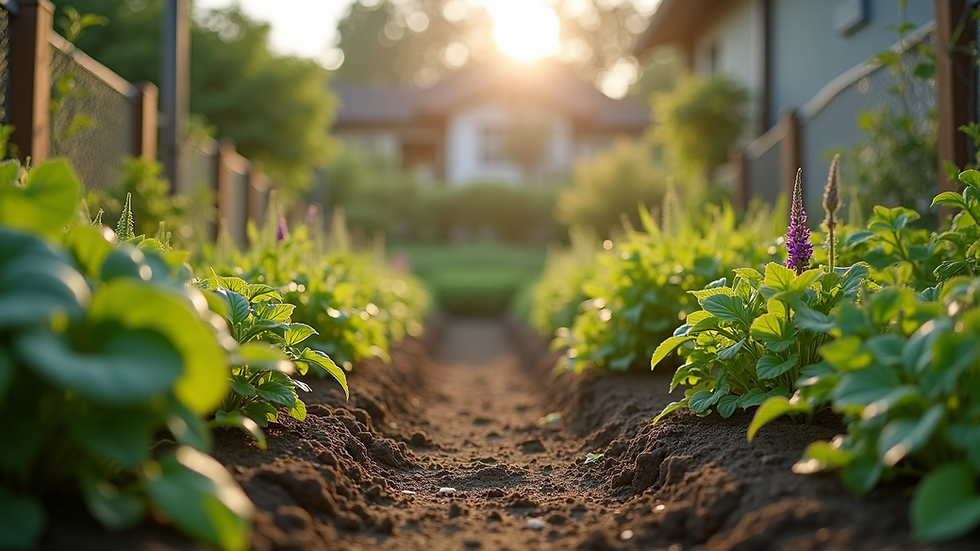
Community gardens provide a space for residents to grow their own food, fostering a sense of community and promoting sustainable agriculture. They also help improve local biodiversity and reduce food miles.
Recycling Programs
Many communities have established recycling programs to encourage residents to recycle more effectively. Participating in these programs can significantly reduce waste and promote sustainability.
Educational Workshops
Local organizations often host workshops on sustainable living topics, such as composting, energy conservation, and sustainable gardening. These educational opportunities empower individuals to make informed choices.
The Future of Sustainable Living
As awareness of environmental issues grows, the movement towards sustainable living is expected to gain momentum. Governments, businesses, and individuals are increasingly recognizing the importance of adopting sustainable practices.
Policy Changes
Governments worldwide are implementing policies to encourage sustainability, such as incentives for renewable energy adoption and regulations on waste management. These changes can create a more sustainable future.
Corporate Responsibility
Businesses are also taking steps towards sustainability by adopting eco-friendly practices and promoting sustainable products. Consumers are increasingly demanding transparency and accountability from companies, pushing them to prioritize sustainability.
Individual Action
Every individual has the power to make a difference. By adopting sustainable practices in daily life, we can collectively contribute to a healthier planet. Small changes can lead to significant impacts when multiplied across communities.
Conclusion
Sustainable living is essential for the health of our planet and future generations. By making conscious choices and adopting eco-friendly practices, we can protect our environment, conserve resources, and improve our quality of life. The journey towards sustainability begins with each of us. Start today by implementing small changes in your lifestyle, and encourage others to join you in creating a more sustainable world. Together, we can make a lasting impact.

Comments